
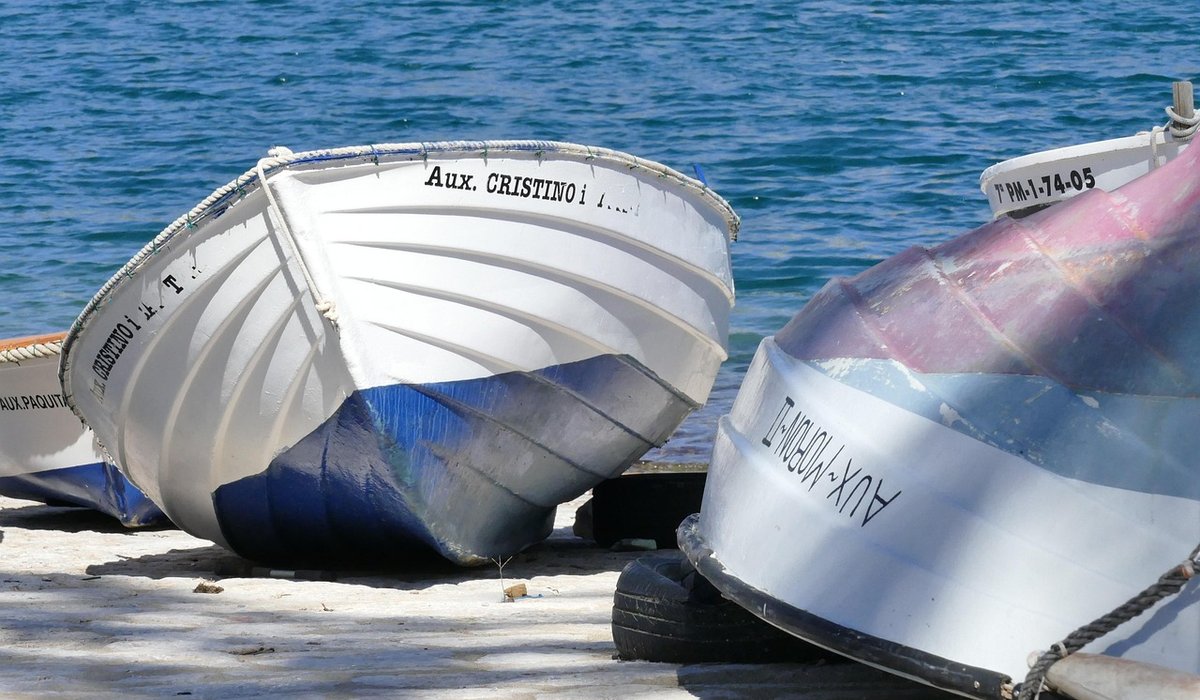
A Guide to Buying Sustainable Fish from Harbour Shops
Why Harbour Shops Are the Heart of Coastal Shopping
There is no better place to buy fish than a working harbour shop. These small, often family-run places sit yards from where the boats land, and the smell of salt, rope and fresh catch tells you everything. Unlike the supermarket chiller, where a fillet might have travelled thousands of miles and been frozen for months, a harbour shop sells what came in that morning. You can point at a fish and ask who caught it, from which boat, and how. That conversation is the first step towards eating sustainably. It also supports coastal communities and keeps maritime heritage alive. When you travel around the British coast, from Cornwall to the Scottish Highlands, make a harbour shop your first stop.
Ask About Catch Methods Before You Buy
Catch method matters as much as the species. A healthy stock can still be damaged by a destructive net, while a fragile stock can be fished responsibly with the right gear. So ask directly: “How was this caught?” Good fishmongers will know. Here are the methods to look for and the ones to question.
- Line-caught — mackerel, bass and pollock taken on hooks. Low bycatch, high quality, often from small boats.
- Hand-dived — scallops collected by divers. Avoids dredging the seabed and causes far less damage.
- Pot-caught — crab, lobster and langoustine. Traps are selective and keep females with eggs safe if handled well.
- Seine-netted — sardines, herring and mackerel. A purse seine can be selective, but ask about dolphin bycatch in some fisheries.
- Trawled or dredged — cod, haddock, plaice and scallops. Can be fine if from a well-managed stock, but often comes with higher bycatch and seabed impact.
If the person behind the counter shrugs or says they don’t know, be cautious. A proper harbour shop will name the boat, the skipper and the method. That transparency is worth paying a little more for.
Seasonality: Buy With the Calendar, Not the Freezer
British waters change through the year, and so should your shopping list. Eating with the seasons means better flavour, better value and less pressure on stocks. Here is a rough guide, though local variations matter.
- Mackerel — late spring to early autumn, when they are fat and plentiful. Perfect for the barbecue.
- Sardines — summer, especially from the south-west. Ask for them fresh, not frozen.
- Mussels — any month with an r in it. Avoid May to August, when they spawn and can be thin.
- Scallops — winter, from October to March. Hand-dived ones are worth the extra cost.
- Bass — spring and summer, but check local rules. Stocks are recovering, so buy line-caught and above minimum size.
- Cod and haddock — North Sea winter, but choose line-caught from healthy stocks. Avoid during spawning closures.
- Plaice — spring, when they are sweet and firm. A classic British flatfish.
- Crab — spring and autumn. Brown crab and spider crab are both excellent.
If a fish is out of season locally, it has likely been imported or frozen. Ask what is at its peak instead. A good harbour shop will point you to something better.
Local Quotas and Minimum Sizes: A Quick Guide
Quotas are not bureaucracy for its own sake. They set how much of each stock can be landed, based on scientific advice. Boats have days at sea and landing limits. Minimum landing sizes (MLS) protect juveniles so they can breed. Ask if the fish is above MLS — if it looks small, it probably is. Local quotas can mean a species is plentiful but cannot be landed, or is closed entirely. Respect that. If your fishmonger says there is no cod today, do not demand it. Try pollock, coley or hake instead. The under-10 metre fleet — small boats working close to shore — often has lower bycatch and supports local jobs. They are the backbone of harbour shops. Buy from them when you can.
Cook Fillets Simply with Butter and Lemon
Once you have good fish, do not complicate it. The best harbour-shop fillets need only butter, lemon and a hot pan. Pat the fillets dry with kitchen paper. Season both sides with sea salt and black pepper. Heat a heavy frying pan over a medium-high heat, add a knob of butter and a little oil to stop it burning. Lay the fillets skin-side down and press gently for a few seconds so the skin stays flat. Cook for three to four minutes until the skin is crisp and the flesh turns opaque. Turn and cook for another thirty seconds. Squeeze over Lemon juice, spoon the foaming butter over the fish, and rest for a minute. This works beautifully for mackerel, sardines, bass, plaice and haddock. For scallops, sear for ninety seconds each side. For crab, just add lemon and brown bread. Butter and lemon let the fish speak for itself. Do not overcook — dry fish is a tragedy.
Building a Relationship with Your Harbour Shop
Visit regularly. Ask questions. Be flexible. Tell them how you like to cook. A good fishmonger will remember you and save you the best fillets. When you travel the coast, plan your trip around harbour markets and quayside shops. That is seaside travel at its best: fresh air, working boats and a bag of ice. Maritime heritage survives because people like you choose to buy local, eat seasonally and cook simply. That is sustainable fish, and it tastes all the better for it.
tag: Seaside Food

Callum MacLeod Author
Use dried kelp or laver to add gentle umami to a sturdy loaf, perfect with shellfish soup or a sharp coastal cheese.
YOU MAY ALSO LIKE

Baking Traditional Seaweed Bread in a Home Kitchen
Aug 9
10Bring binoculars, keep a respectful distance and learn to identify these seabirds by their bills, calls and nesting ledges.
read more
Spotting Puffins and Guillemots on Cliffs in Spring
Aug 3
10Turn stones gently, use a small net and return every crab, anemone and shrimp to its pool after a short look.
read moreCoastal Walks
-

ERRIC CATONA
Watch haul-out sites without approaching pups, and learn why resting, swimming and pupping seasons matter for local colonies.
May 19, 2016 at 5.12 pm
Reply
ERRIC CATONA
Understand high and low water, spring and neap cycles, and how weather can shift actual sea levels on the day.
May 19, 2016 at 5.12 pm
Reply -
ERRIC CATONA
Time your route to avoid being cut off, note escape paths and always carry a map that shows tidal causeways clearly.
May 19, 2016 at 5.12 pm
Reply
Harbour Towns
Your email address will not be published.