
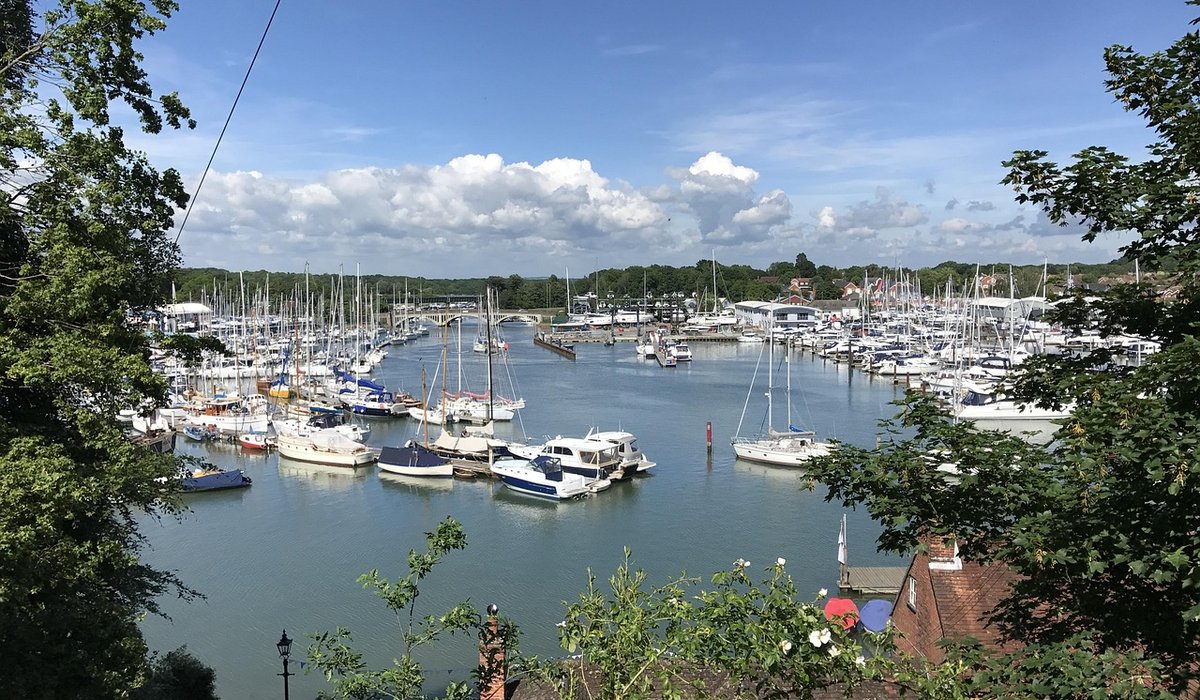
A Gentle Coastal Ramble Around Charming Harbour Villages
There is a particular pleasure in a coastal walk that asks very little of you. No scrambling, no bog, no route-finding heroics — just a flat path, a working quay, the smell of oak smoke drifting from a chimney, and a beach café with a bench outside that catches the afternoon sun. Harbour villages, strung along the same stretch of coast, are ideal for this sort of gentle ramble. They grew up around shelter, so the land between them is usually low, the paths are worn and level, and there is always something to look at.
Why harbour villages reward slow walking
Fishing settlements were built where the coastline allowed it, which means the walking between them tends to follow old tracks, sea walls and former railway lines rather than climbing cliffs. That is good news for anyone with dodgy knees, a pushchair, or a dog that refuses to hurry.
Look for the following when planning a route:
- Sea walls and promenades — usually tarmac or firm gravel, level, and with handrails at the splashier sections.
- Disused railway paths — gentle gradients, wide surfaces, and often linking two villages that were once connected by a branch line bringing fish inland.
- Quayside circuits — a loop around the inner harbour, out along the breakwater and back past the boatyards, rarely more than a mile but endlessly absorbing.
- Dune boardwalks — timber walkways through the sand dunes behind beaches, firm underfoot and kind to wheels.
Aim for three to four miles in a morning, then let lunch take as long as it likes. This is not a day for bagging miles.
A classic three-village ramble
The best coastal days follow a simple shape: quay, smokehouse, beach café. Start at the larger harbour, where there is usually a car park, public toilets and a noticeboard showing tide times. Walk the harbour wall first, watching the boats settle on the mud as the tide drops, then follow the path east or west along the shore.
Within a mile or so you will often reach a second, smaller village — perhaps just a row of cottages, a lifeboat station and a slipway where children dangle crab lines over the edge. Carry on for another mile and the path usually opens onto sand. That is where the day naturally pauses: shoes off, flask out, and a slow look back at the two villages you have just walked between.
If you want a longer outing, many of these stretches can be extended into a figure of eight, returning inland along a quiet lane past a church and a farm, then rejoining the coast path for the last half mile. Around six miles total, almost entirely flat.
Smokehouses, kippers and seaside snacks
British coastal food is at its best when it is simple and slightly old-fashioned. A traditional smokehouse — whitewashed walls, tarred roof, a stack of oak shavings by the door — is worth planning a walk around. Look for:
- Kippers and smoked haddock, usually sold vacuum-packed or straight off the rack, best eaten within a day or two.
- Crabs and lobster, landed and boiled the same morning in summer, sold from a shed on the quay.
- Dressed crab sandwiches from a beach café, with brown bread, lemon and far too much pepper.
- Ice cream from a hatch in the wall of a former boathouse, which is somehow always the correct decision.
Bring a small cool bag and a couple of freezer blocks if you are driving home the same day. Ask at the counter whether they will pack fish on ice — most will.
Tides, weather and practical matters
The sea sets the timetable here, not you. Check tide times before you set out, particularly on estuaries where a low-water crossing can become impassable within an hour of the tide turning. A few habits make the day easier:
- Walk out on a falling tide, back on a rising one — but only on routes you know, and never on sand you cannot see the far side of.
- Take an Ordnance Survey Explorer map of the area, even for a short route; coastal footpaths are frequently diverted around erosion.
- Wear shoes with grip, not smooth soles. Wet harbour stone and seaweed-covered slipways are genuinely treacherous.
- Pack a light waterproof and a warm layer. Sea breezes drop the temperature several degrees even in July.
- Carry cash, as some quayside sheds and honesty boxes still prefer it.
Dogs are welcome on most of these paths, though many beaches have summer restrictions between May and September — look for the signs at the top of the slipway.
Where to linger, and where to stay
Part of the charm of these villages is that they have not been tidied into uniformity. You will find a pub with a flagstone floor and a menu chalked on a board, a café in a converted net loft with sea views from every table, and perhaps a small museum in an old lifeboat house telling the story of a famous rescue.
If you are making a weekend of it, a room above a pub or in a converted coastguard cottage beats a chain hotel every time. Book early for summer weekends and for the shoulder months of May and September, which are quieter, cheaper and often blessed with the best light. Arrive on Friday evening, walk on Saturday, and leave after a late Sunday breakfast — that is the whole recipe.
Take it slowly, keep an eye on the tide, and let the smokehouse and the beach café set the pace. The coast has been doing this for centuries; there is no need to rush it now.
tag: Coastal Walks

James Trelawney Author
Learn the common symbols, coloured arrows and acorn markers that keep walkers on track around Britain's varied shoreline.
YOU MAY ALSO LIKE

How to Read Coastal Footpath Signs and Waymarkers
Sep 19
10Spend a slow morning watching boats land their catch, then browse independent shops and eat fresh crab at the quayside.
read more
Discovering the Quiet Charms of a Working Fishing Harbour
Sep 14
10From cobbled lanes to maritime museums, these lesser-known ports offer rich stories, cosy inns and easy rail connections.
read moreCoastal Walks
-

ERRIC CATONA
Scout elevated spots near church towers, old forts and headlands where light shifts beautifully across moored boats and calm water.
May 19, 2016 at 5.12 pm
Reply
ERRIC CATONA
Explore how small ports once linked coal, grain and slate across rough seas, leaving behind quays, warehouses and family stories.
May 19, 2016 at 5.12 pm
Reply -
ERRIC CATONA
Discover the cramped quarters, salted rations and strict routines that shaped ordinary sailors on short but dangerous coastal runs.
May 19, 2016 at 5.12 pm
Reply
Harbour Towns
Your email address will not be published.